
1. Equity Markets: Relief, Not Resolution
U.S. equity markets staged a powerful relief rally today as geopolitical headlines hinted at a possible de‑escalation in the Iran conflict. Futures led the move higher across the board. The S&P 500 (ES) surged nearly 3%, with the Nasdaq (NQ) and Russell 2000 (RTY) not far behind. Risk appetite returned quickly as investors priced out the most extreme energy and growth shock outcomes. Technology stocks led the charge, reflecting sensitivity to interest rates, oil prices, and global risk sentiment.
Despite the strength of today’s advance, context matters. Major indexes remain negative for both March and the first quarter. This highlights that today’s move was more about positioning and relief than a renewed growth outlook. Volatility had reached extreme levels, and today’s equity surge coincided with a sharp drop in the VIX, which fell more than 17%. That tells us fear was being unwound, not that uncertainty disappeared.
2. Bond Markets: Calm, But Watchful
Treasury markets traded with modest strength, as yields eased even while equities surged. The 10‑year note (ZN) finished slightly higher, signaling that bond investors remain cautious. This was not a classic growth‑led rally. Instead, bonds reflected a market that still sees elevated energy prices, sticky inflation risks, and economic uncertainty ahead.
Bond behavior suggests investors are not yet convinced that growth risks are fully resolved. Rather, Treasuries are acting as a stabilizer during a volatile environment. The message from fixed income is clear: relief rallies can happen fast, but macro clarity takes longer.
3. Currency Markets: Dollar Gives Ground
The U.S. Dollar Index (DX) fell nearly 0.6% on the day, reflecting reduced safe‑haven demand. As tensions eased and equity markets surged, capital rotated away from defensive positioning. A weaker dollar helped support precious metals and eased financial conditions at the margin.
The dollar’s pullback also reflects expectations that the Federal Reserve may remain patient rather than pivot more aggressively. With inflation pressures still tied closely to energy costs, currency markets remain highly sensitive to geopolitical headlines.
4. Standout Commodity: Gold (GC)
Gold was the standout commodity contract of the day. Futures surged more than 3%, closing near record highs. This move sends a clear message. Even as equities rallied, investors continued to seek protection from geopolitical risk, inflation uncertainty, and currency volatility.
Gold often performs best when confidence is fragile, not collapsing or booming. Today’s move shows that while fear eased, conviction did not fully return. Gold remains a core hedge in an environment where energy shocks and policy uncertainty dominate.
5. Standout Sector: Energy
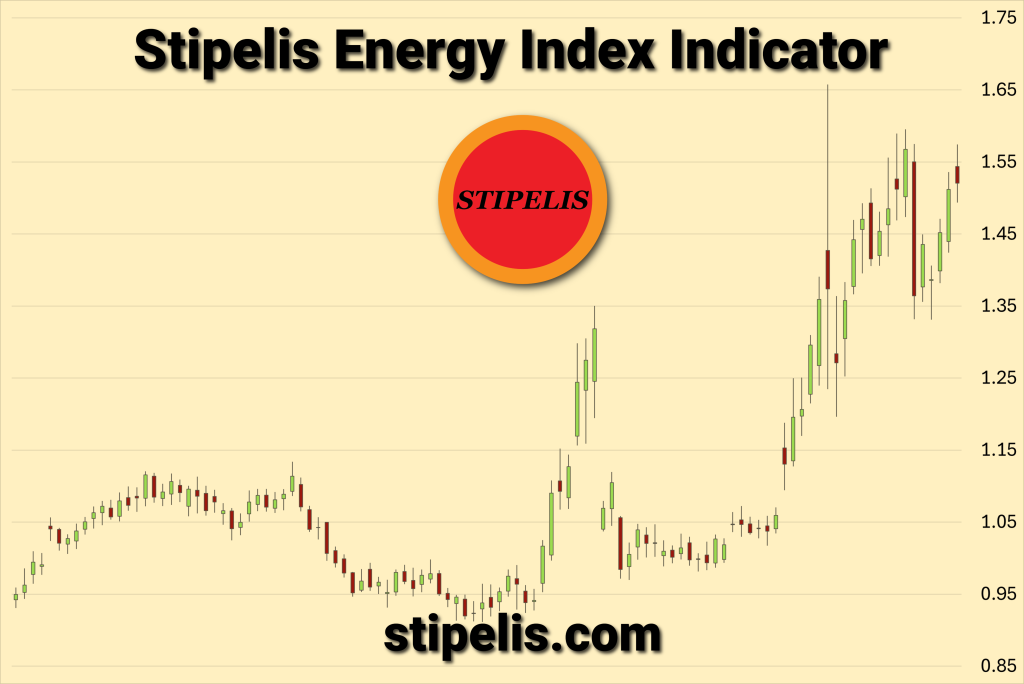
Energy remains the most important sector in the global macro story. Even after today’s pullback in crude oil, prices are still near multi‑year highs following a historic monthly surge. Brent finished March up more than 60%, and WTI remained above $100.
Energy’s influence now reaches every asset class. Higher fuel prices impact inflation, consumer spending, central bank policy, and corporate margins. While today’s market action reflected hopes of de‑escalation, the Strait of Hormuz remains constrained. This keeps the energy risk premium firmly in place.
Big Picture
Markets are trading on headlines, not fundamentals. Energy is once again driving the macro narrative. Today’s rally eased pressure, but it did not erase risk. Volatility has fallen, but it remains elevated by historical standards. This is the type of environment where disciplined risk management matters more than bold prediction.
Stephen Coleman-Founder
Stipelis Global Trading LLC is registered with the Commodity Futures Trading Commission and is a member of the National Futures Association. Member ID 0474441
The opinions expressed are those of Stipelis Global Trading LLC and are considered market commentary. They are not intended to act as investment recommendations. Individuals should make investment decisions based on their own analysis and with direct consultation with a financial advisor.
THE RISK OF LOSS IN TRADING COMMODITY INTERESTS CAN BE SUBSTANTIAL. YOU SHOULD THEREFORE CAREFULLY CONSIDER WHETHER SUCH TRADING IS SUITABLE FOR YOU IN LIGHT OF YOUR FINANCIAL CONDITION.